 Transform your website into a powerful revenue engine for sustainable growth in the GCC.
Many businesses in the GCC view their website as a digital brochure—a static online presence. This perspective fundamentally misrepresents its potential. A website is not merely an informational portal; it functions as a core component of your revenue engine, capable of driving predictable, scalable business growth.
Failing to leverage your website strategically means leaving significant revenue on the table. This article outlines how to transform your digital presence into a powerful revenue-generating asset, specifically tailored for the dynamic GCC market. You will learn the principles of building a website that actively contributes to your bottom line, moving beyond passive online representation.
From Digital Brochure to Revenue Engine#
 Shift from a static digital brochure to a dynamic, revenue-generating website.
A traditional website serves as an online information repository. It often features company history, service lists, and contact details. This model, while foundational, fails to engage visitors actively or guide them towards conversion. It operates as a cost center, not a profit driver.
A strategic website, conversely, integrates directly into your sales and marketing funnels. It captures leads, nurt nurtures prospects, and facilitates transactions, functioning as a 24/7 sales representative. Businesses in the GCC, facing rapid digital transformation and intense competition, require this proactive approach to maintain market leadership.
Why do many GCC businesses underutilize their websites?#
Many GCC businesses underutilize their websites because they focus on aesthetics over functionality and lack a clear revenue-generation strategy. They often view web development as a one-time IT project rather than an ongoing strategic investment in a core business asset. This leads to missed opportunities for lead capture and conversion.
Architecting a Website for Predictable Lead Generation#
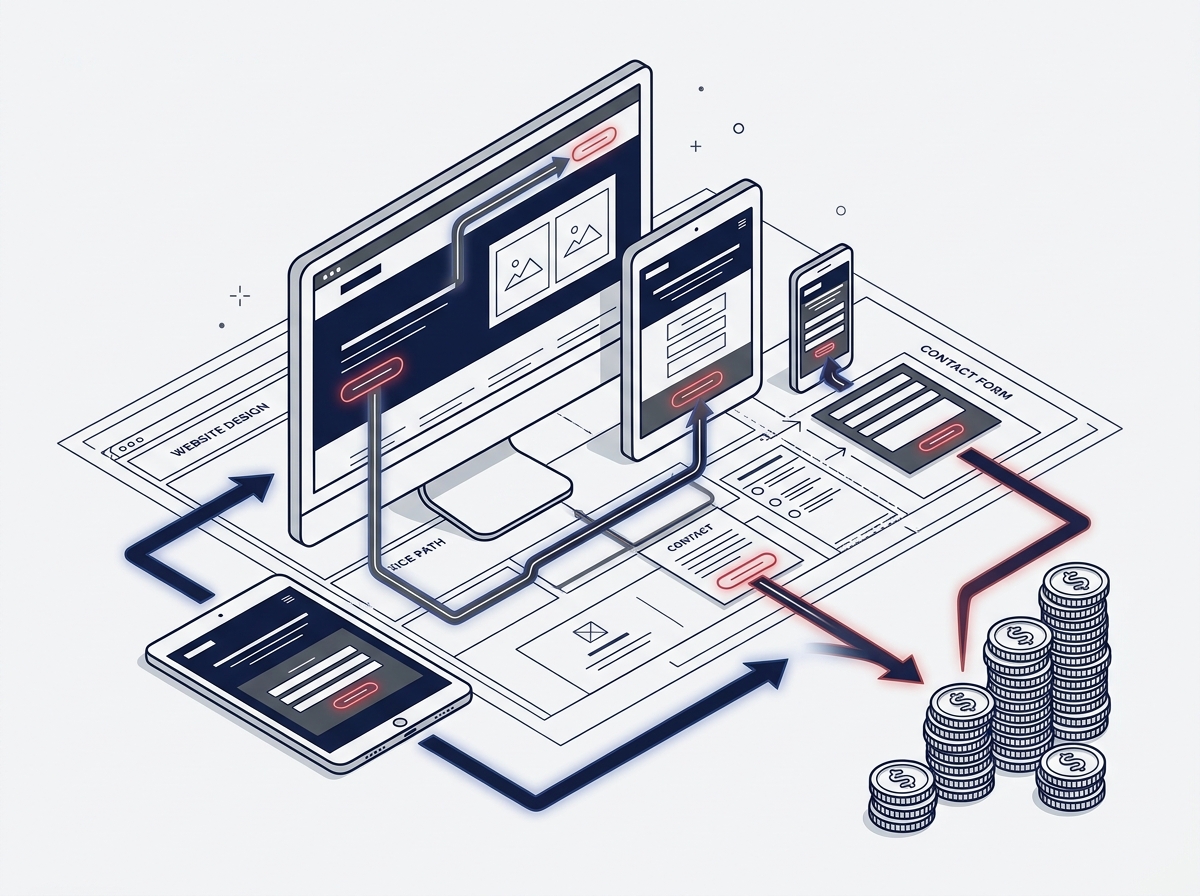 Architecting a website for predictable lead generation and sustained business growth.
Building a revenue-generating website requires a deliberate architectural approach. Focus on user journeys, conversion pathways, and integrated systems. Each page must serve a specific purpose within the broader revenue strategy, guiding visitors seamlessly from awareness to decision.
Consider the rapidly growing B2B sector in Saudi Arabia, where companies like Aramco and SABIC drive significant digital procurement. A strategic website for a B2B supplier must offer clear product information, case studies demonstrating ROI, and robust lead capture forms, ensuring qualified prospects move efficiently through the sales pipeline. This proactive design captures intent and converts interest into tangible business opportunities.
How does a strategic website generate qualified leads?#
A strategic website generates qualified leads by clearly defining target personas and designing specific content and calls-to-action for each. It employs lead magnets, optimized forms, and personalized pathways to capture visitor information at various stages of their journey. This ensures that only genuinely interested prospects enter the sales pipeline.
Optimizing User Experience for Conversion in the GCC Market#
User experience (UX) directly impacts conversion rates. A poorly designed website frustrates visitors, leading to high bounce rates and lost opportunities. In the GCC, cultural nuances and device preferences significantly influence effective UX design.
Ensure your website offers seamless navigation, fast loading times, and mobile responsiveness, critical for a region with high smartphone penetration. Incorporate Arabic language options and localize content to resonate with the diverse GCC audience. For instance, a real estate developer in Dubai must present property listings with high-quality visuals and clear calls-to-action, alongside localized payment options and contact methods, to effectively convert regional buyers.
What UX elements are crucial for GCC online success?#
Crucial UX elements for GCC online success include fast loading speeds, mobile responsiveness, and intuitive navigation. Offering relevant language options (primarily Arabic and English), incorporating culturally appropriate imagery, and streamlining conversion funnels are also essential for engaging the diverse regional audience.
Data-Driven Performance: Measuring Website ROI#
A strategic website demands continuous performance monitoring and optimization. Without robust analytics, you cannot identify bottlenecks, understand user behavior, or accurately measure return on investment (ROI). Data provides the intelligence needed to refine your revenue engine.
Implement comprehensive tracking for key performance indicators (KPIs) such as conversion rates, lead-to-customer ratios, and customer acquisition cost. For instance, an e-commerce business in the UAE can track customer lifetime value (CLTV) generated directly through the website, comparing it against marketing spend to determine profitability. This data-driven approach ensures every optimization directly contributes to revenue growth.
How can businesses measure a website's revenue contribution?#
Businesses measure a website's revenue contribution by tracking conversion rates, lead generation volume, and the sales pipeline value originating from web interactions. Integrating website analytics with CRM and sales data allows for precise attribution of revenue to specific website activities and campaigns.
Conclusion#
Your website is more than an online presence; it is a critical revenue engine capable of driving predictable, scalable business growth in the GCC. Shifting from a static brochure mentality to a strategic, data-driven approach unlocks its full potential. Businesses that prioritize user experience, integrate lead generation, and continuously optimize performance will gain a decisive competitive advantage.
HiT Land specializes in transforming underperforming websites into high-impact revenue generators. We architect systems that attract, engage, and convert your ideal customers, ensuring your digital presence actively contributes to your bottom line. Stop leaving revenue on the table. Discover how HiT Land can build your predictable revenue engine.
FAQ#
Q: What defines a "strategic website" for GCC businesses? A: A strategic website for GCC businesses is one engineered to actively generate leads, nurture prospects, and drive conversions, integrating seamlessly with sales processes. It moves beyond mere information dissemination to become a measurable revenue-generating asset, often localized for regional audiences.
Q: How does a strategic website impact a business's bottom line? A: A strategic website directly impacts the bottom line by increasing qualified lead volume, improving conversion rates, and reducing customer acquisition costs. It automates parts of the sales process, allowing businesses to scale operations and achieve predictable revenue growth more efficiently.
Q: Is localizing website content important for the GCC market? A: Yes, localizing website content is crucial for the GCC market. It demonstrates cultural understanding, builds trust with diverse audiences, and significantly improves user engagement and conversion rates. Offering content in both Arabic and English is often a fundamental requirement.
Q: What are common pitfalls when developing a website for revenue generation in the GCC? A: Common pitfalls include focusing solely on design over conversion pathways, neglecting mobile optimization, failing to integrate lead capture mechanisms, and not adapting content or user experience to local GCC preferences and languages. A lack of ongoing performance measurement also hinders revenue potential.
Related case studies
Real projects where we applied the ideas in this article.
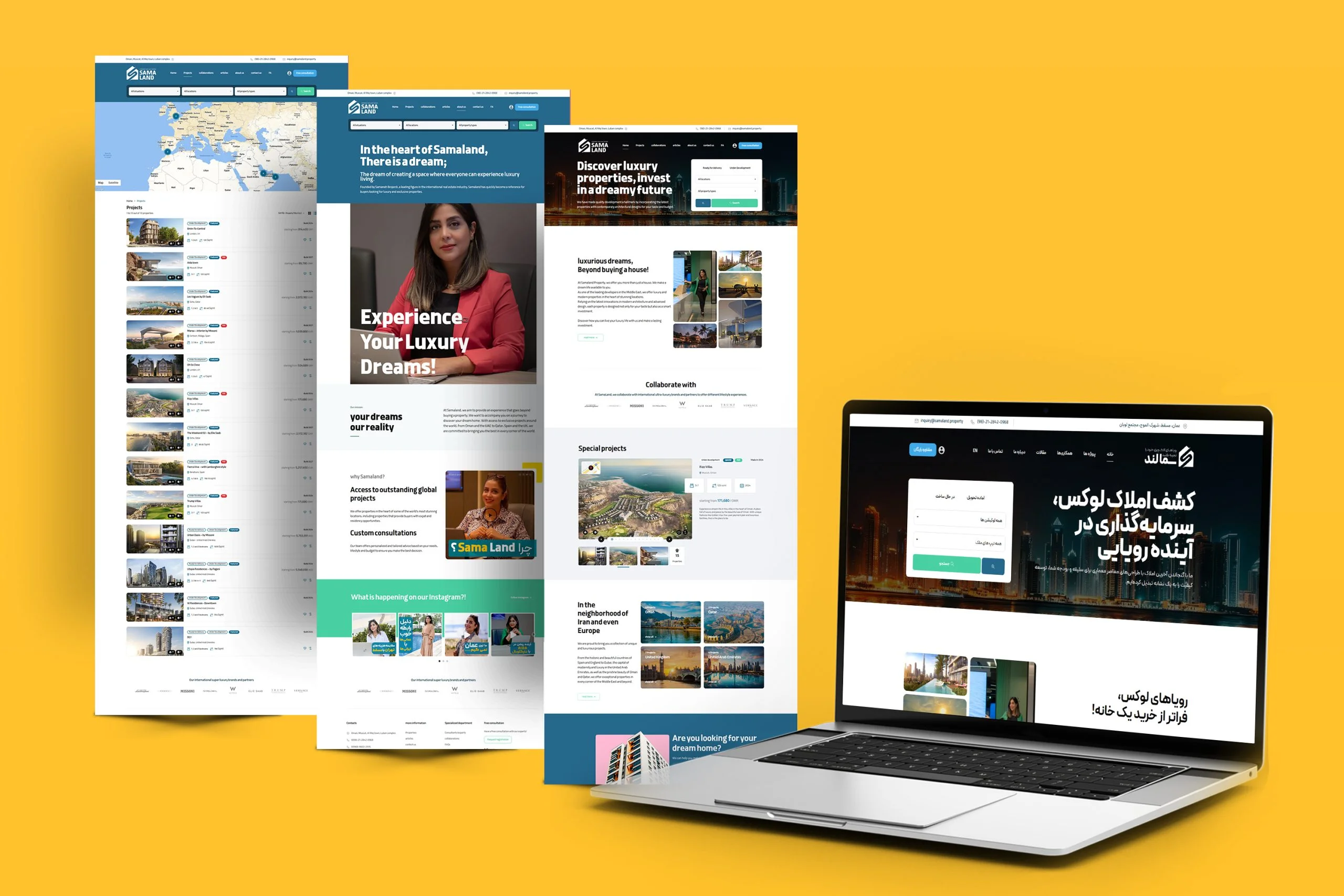
Real Estate Website — Sama Land
A premium digital platform for an Omani real estate leader, combining high-end visual design with seamless property…
View case study
Rebranding & Development — PayaBana Co
A comprehensive transformation of PayaBana Co’s brand identity and business strategy, integrating modern digital…
View case study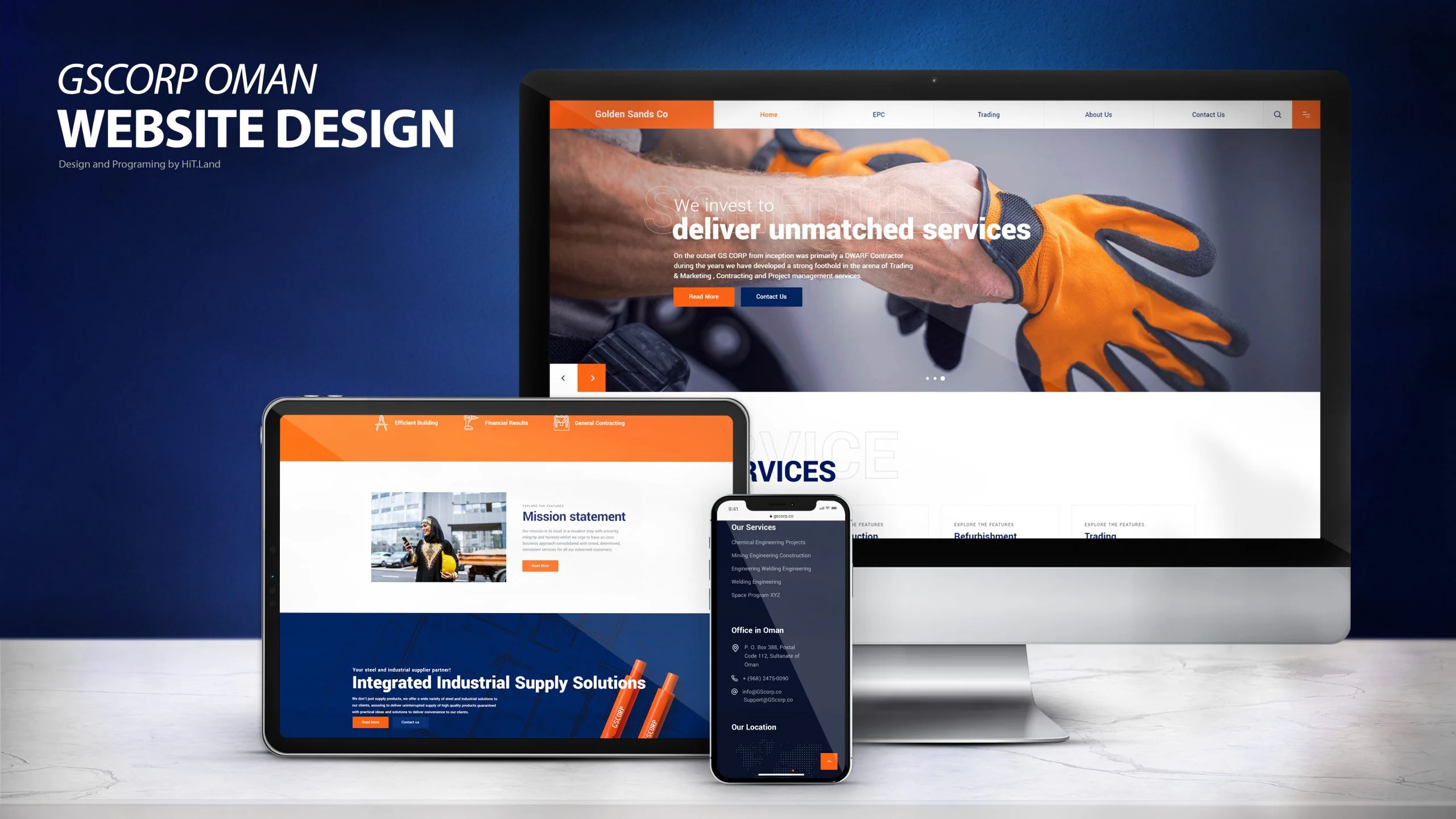
Website Design — Golden Sand Corporation
A comprehensive digital transformation for Golden Sand Corporation LLC, featuring a responsive website and strategic…
View case study