VR (virtual reality)
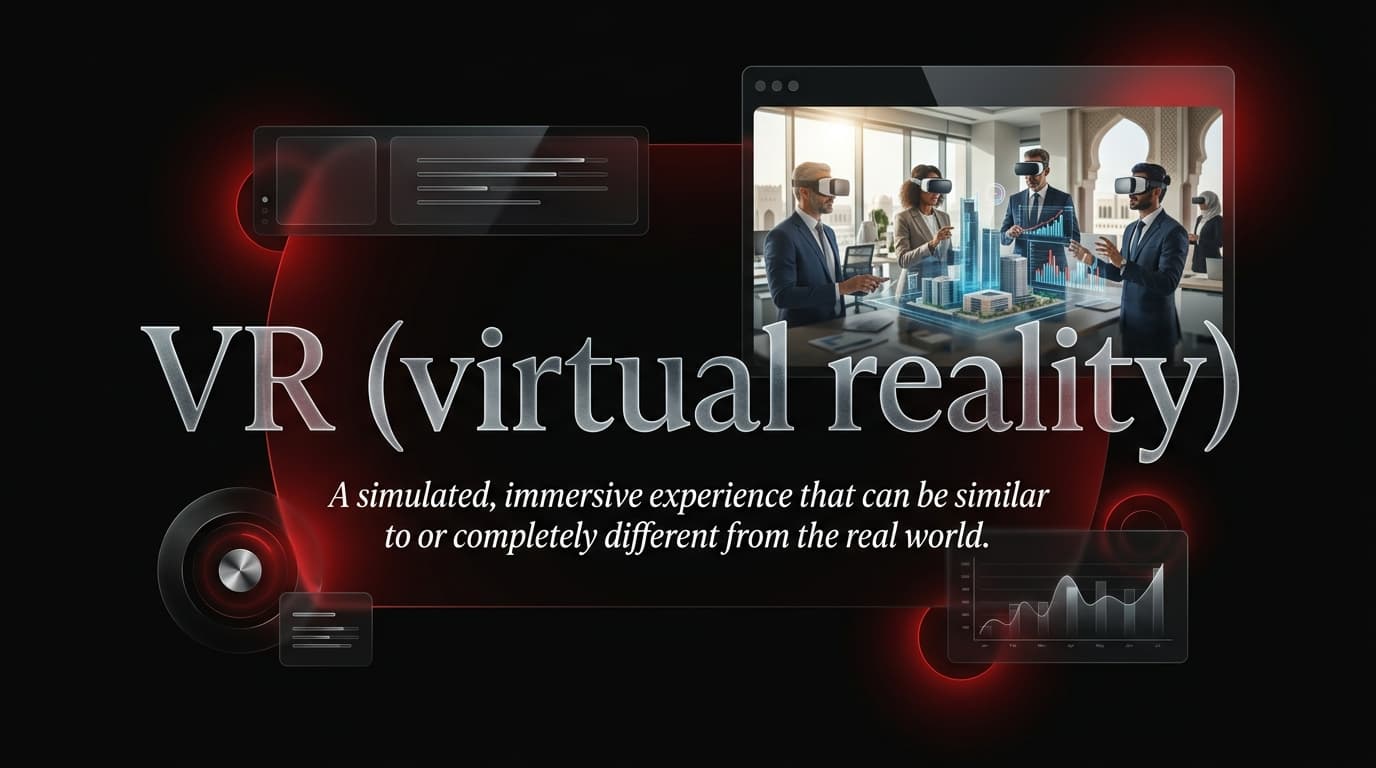
What is VR (virtual reality)?VR (virtual reality) is a simulated, immersive experience that can be similar to or completely different from the real world, typically achieved through specialized headse.
What is VR (virtual reality)?
VR (virtual reality) is a simulated, immersive experience that can be similar to or completely different from the real world, typically achieved through specialized headsets. It transports users into a digital environment, offering a sense of presence and interaction that transcends traditional screens, often leveraging AI-powered solutions for dynamic content generation.
How VR (virtual reality) Works
Head-Mounted Display (HMD): Users wear a headset that contains a screen for each eye, displaying stereoscopic images to create a 3D effect.
Motion Tracking: Sensors within the headset and external cameras track the user's head and body movements, allowing them to look around and navigate the virtual environment naturally.
Input Devices: Handheld controllers or specialized gloves enable users to interact with virtual objects, manipulate menus, and perform actions within the simulated world.
Immersive Audio: Spatial audio systems enhance the sense of presence by simulating sound direction and distance, making the virtual world feel more realistic.
Content: Specially designed software and applications generate the virtual environments, objects, and experiences users interact with.
Why VR (virtual reality) Matters for Your Business
VR offers unprecedented opportunities for businesses to engage customers, train employees, and innovate product development. In the GCC, where luxury experiences and technological adoption are high, VR can create memorable immersive brand experiences, enhance customer service, and streamline complex operational processes.
Enhanced Training & Simulation: Safely train employees for high-risk jobs or complex procedures without real-world constraints, reducing costs and improving retention.
Immersive Marketing & Sales: Offer virtual tours of properties, showrooms, or destinations, allowing potential customers to experience products or services remotely.
Product Design & Prototyping: Visualize and interact with 3D models of products before physical production, accelerating development cycles and reducing errors.
Remote Collaboration: Facilitate virtual meetings and collaborative workspaces, allowing geographically dispersed teams to interact in shared digital environments.
VR (virtual reality) vs AR (augmented reality)
While both VR and AR offer immersive digital experiences, their fundamental difference lies in how they interact with the real world.
VR (virtual reality): Completely replaces the user's real-world view with a simulated digital environment, aiming for full immersion.
AR (augmented reality): Overlays digital information or objects onto the user's view of the real world, enhancing it rather than replacing it.
VR (virtual reality) in Practice
In the GCC's booming real estate market, a developer in Dubai might use VR to offer prospective buyers virtual walk-throughs of unbuilt luxury apartments. Customers from anywhere in the world could explore floor plans, customize finishes, and experience the views, significantly accelerating sales cycles and expanding market reach without needing to visit a physical showroom.
Key Takeaways
VR (virtual reality) provides a fully immersive, simulated digital experience through specialized headsets.
Businesses leverage VR for advanced training, engaging marketing, product design, and remote collaboration.
In the GCC, VR is a powerful tool for creating premium brand experiences and streamlining complex operations, especially in real estate and tourism.
Consider how VR can transform customer engagement and operational efficiency within your specific industry.
Want to apply VR (virtual reality) to your business?
We diagnose your exact situation and build the right system for you.
Book a Free Diagnosis